
Table of contents
“Should I invest in SEO or Pay Per Click campaigns?”
This is one of the questions our clients ask us most frequently, thinking that these are two independent activities incapable of reinforcing each other.
Yet SEO and PPC bring the greatest benefits when carried out together.
Clearly, each of them has its own specificities and may be more suitable for achieving certain objectives.
- SEO (Search Engine Optimization) is a set of techniques aimed at improving a website’s search engine ranking. Its benefits are mainly seen in the long term, but its effects are more lasting.
- On the other hand, PPC Campaigns are not based on organic results but on paid ads. This means that Pay Per Click activity can yield immediate results but only during the campaign period.
The best choice is certainly to plan a multi-channel strategy, creating a winning synergy between SEO and PPC in order not to rely solely on traffic from a single channel.
SEO optimization of a website can actually improve campaign performance. Similarly, PPC activity can benefit SEO efforts, even though it doesn’t directly affect the organic ranking of the site.
Let’s see how we can best leverage the integration of these two channels.
1. Greater Visibility in SERPs
Why limit yourself to occupying just one spot in search results? Working on the same keywords for both SEO and Pay Per Click campaigns is the only way to conquer as much space as possible on the results page.
Imagine, for example, the benefits of appearing with your brand not only in the first position among organic results but also with a text ad and a Shopping ad simultaneously. Greater visibility in search results will enhance your brand’s credibility in the eyes of the user.
2. Improved Google Ads Campaign Performance
In addition to benefiting search engine ranking, SEO can improve the performance of Google Ads campaigns that link to the same website.
Ads publication and their position are determined not only by the bid but also by a quality score that Google Ads assigns based on various factors, including the landing page experience.
To be evaluated positively, a page must be well-structured and contain text related to the search terms used by the user. Needless to say, an already optimized SEO page will more easily obtain a positive evaluation, increasing the quality score of the ads and allowing for better ranking at a lower cost.
3. In-Depth Insights on Keywords, Audience, and Competitors
Both Pay Per Click campaigns and SEO require a thorough analysis of keywords and user search intent. Synergy between these two areas allows for exchange of valuable information on related keywords, seasonal searches, and how user terms change over time.
While SEO provides us with many insights, Google Ads enables us to quickly test their effectiveness and find other related keywords at the same time. Furthermore, with campaigns, we can intercept potentially interesting keywords for which achieving organic ranking would be extremely difficult.
But it’s not just keyword research that benefits from a multi-channel strategy: Google Ads reports provide us with a wealth of information on our audience (demographics and interests) and useful insights for SEO activities. Moreover, with Google Ads’ “Auction Insights” report, we can promptly identify any new competitors in our industry.
4. More Effective and Persuasive Texts
Thanks to Pay Per Click campaigns, we can easily identify the most effective texts to work on from an SEO perspective.
Google Ads ads allow us to test different headlines, copy, and call-to-action elements, identify those with the best click-through rates (CTR), and apply them to SEO by making meta titles and meta descriptions on our website more persuasive.
5. Control of Sitelinks
Have you ever searched for your brand on Google and found links to other pages of the website below your result? These are sitelinks, automatically generated by Google, which link to relevant and highly pertinent pages of the site.
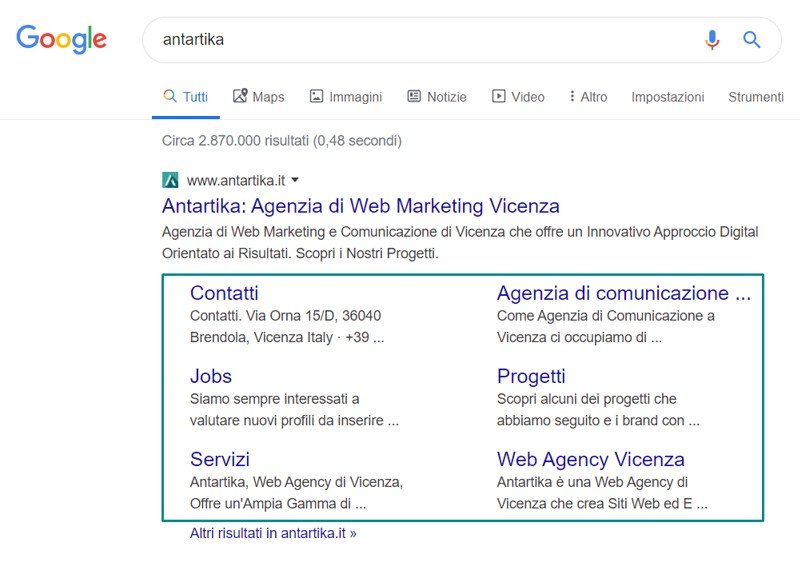
Until a few years ago, through the Google Search Console tool, it was possible to request the removal of any sitelinks considered irrelevant to our business. However, this option was removed in 2016.
How can we regain control then? While it may not be possible to edit the sitelinks for organic results, we can create a Google Ads campaign and add sitelink extensions to the ads. This allows us to highlight the most relevant pages of our site much more quickly than achieving organic ranking.
6. Brand Protection
As we discussed in our article on Brand Protection campaigns, Google allows your competitors to use your company name as a keyword to display their ads. Even though you’re in the top organic position, your brand is at risk of losing visibility due to paid ads placed above.
By combining brand protection campaigns with SEO activity, we can reclaim the traffic that would otherwise be taken by the competition. This offers the advantage of maintaining a high-quality score and very low costs.
7. Remarketing
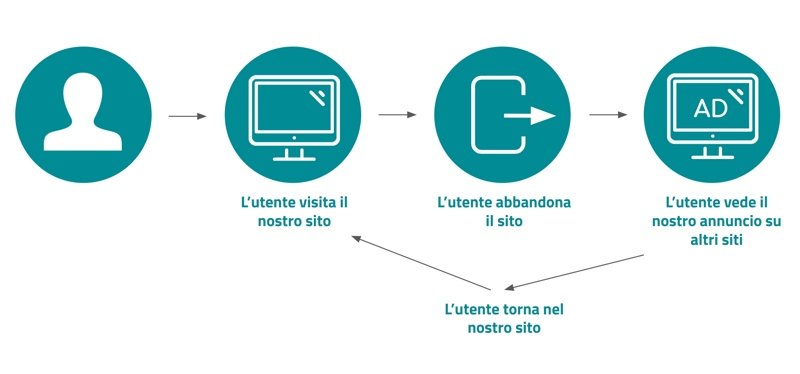
By ranking our website on the first page for strategic keywords through regular and well-planned SEO activities, we can intercept new potential customers and significantly increase traffic to our website. However, it’s unlikely that a user will purchase our products or contact us during their first visit to our site.
Activating remarketing campaigns with Google Ads allows us to re-engage users who were brought to our site by SEO efforts and guide them towards conversion.
In conclusion, when planning our strategy, we should no longer ask ourselves which channel to invest in, but rather how we can make SEO and PPC work together to achieve our goals.
Table of contents


